
Aubry's Blog
The Kenton Neighborhood
Hidden Portland: Exploring Kenton
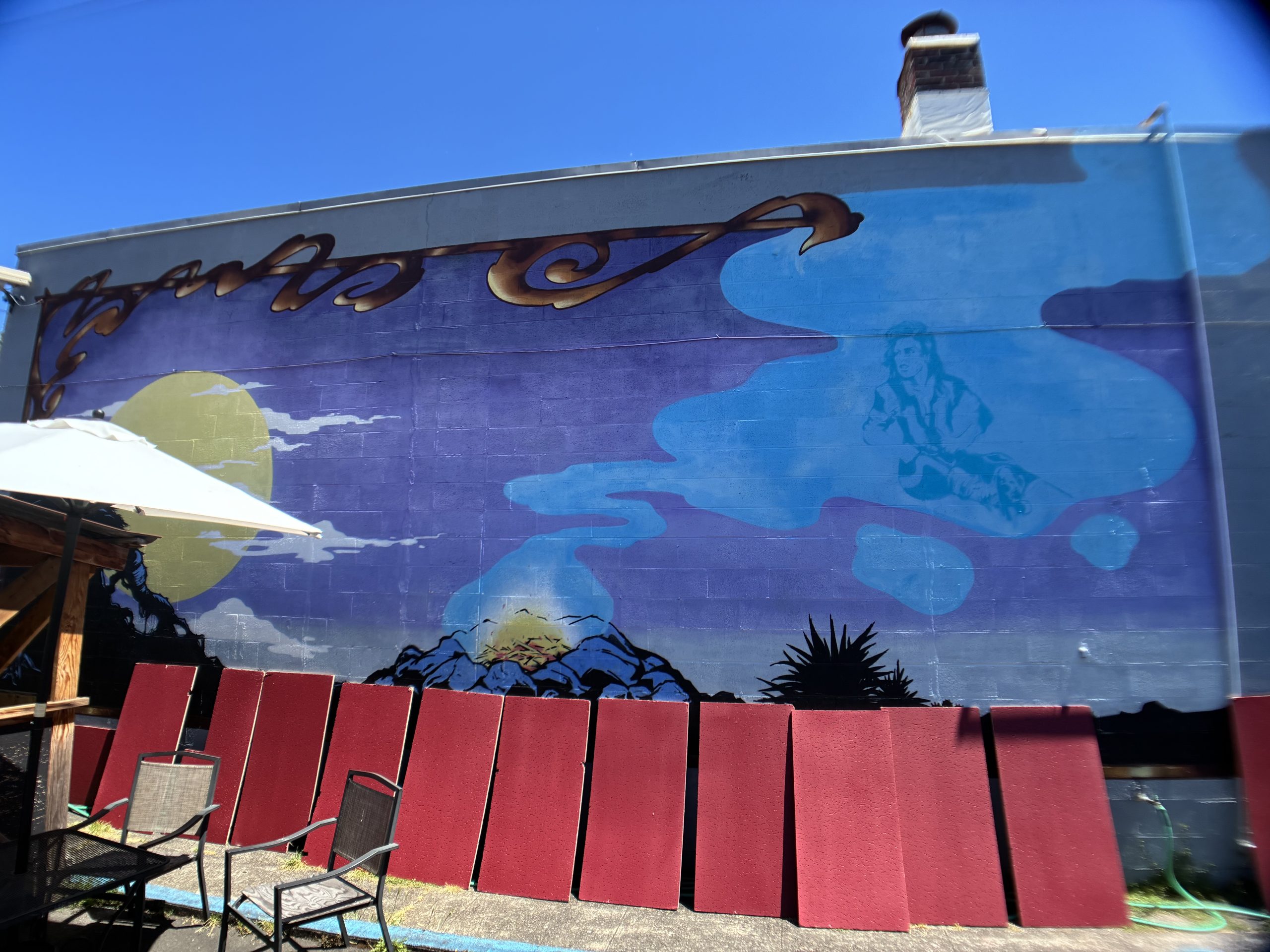
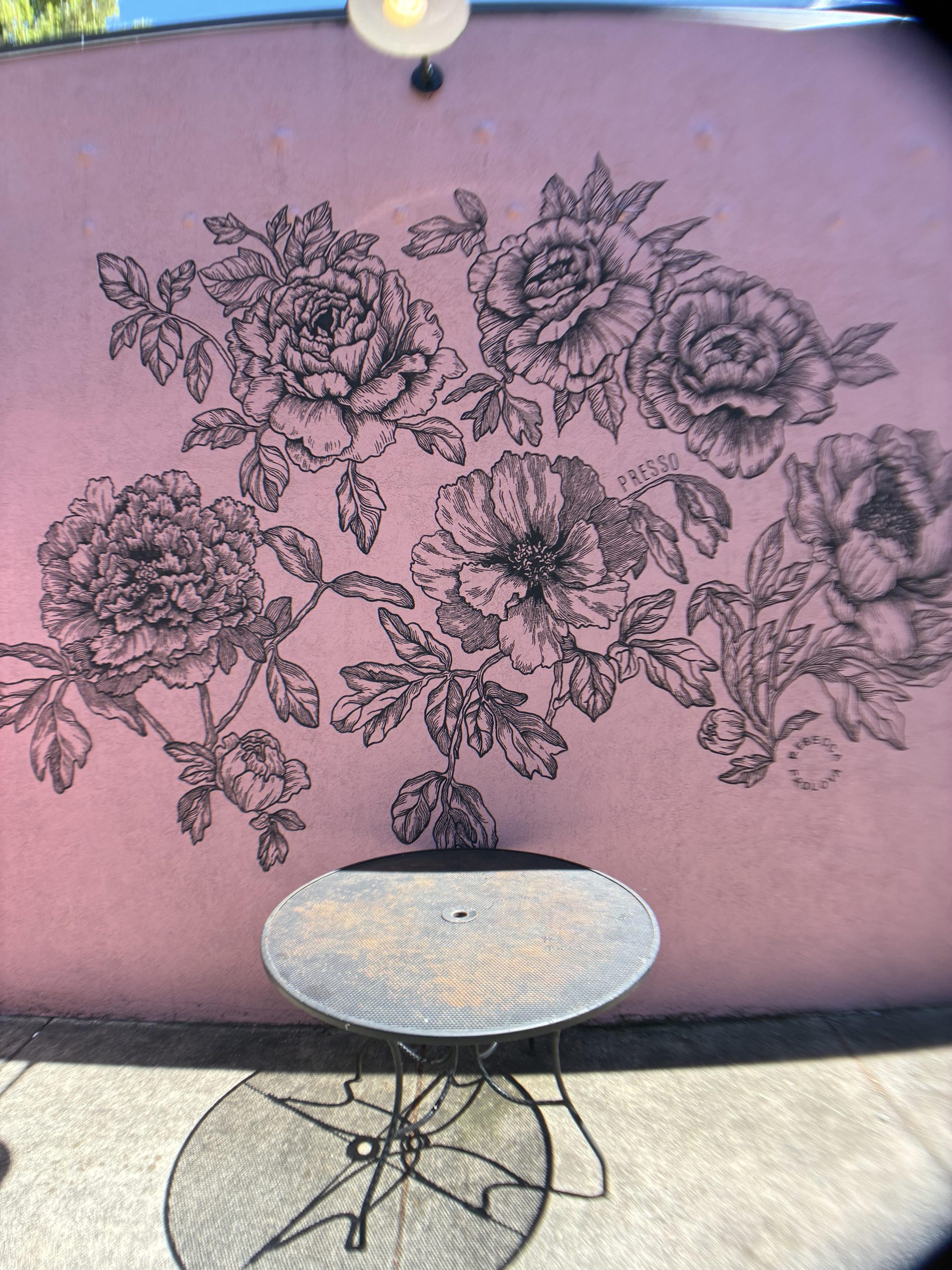
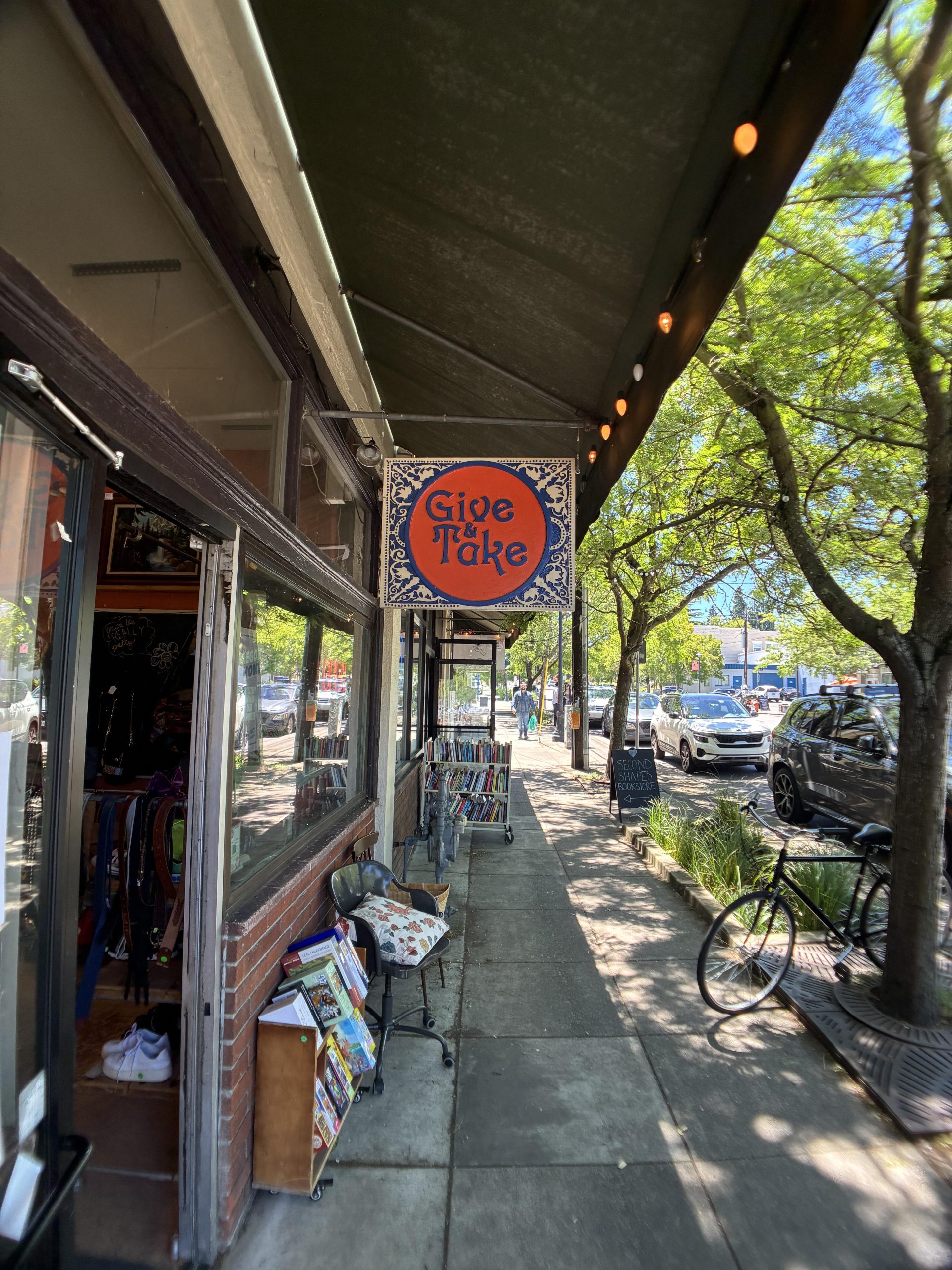
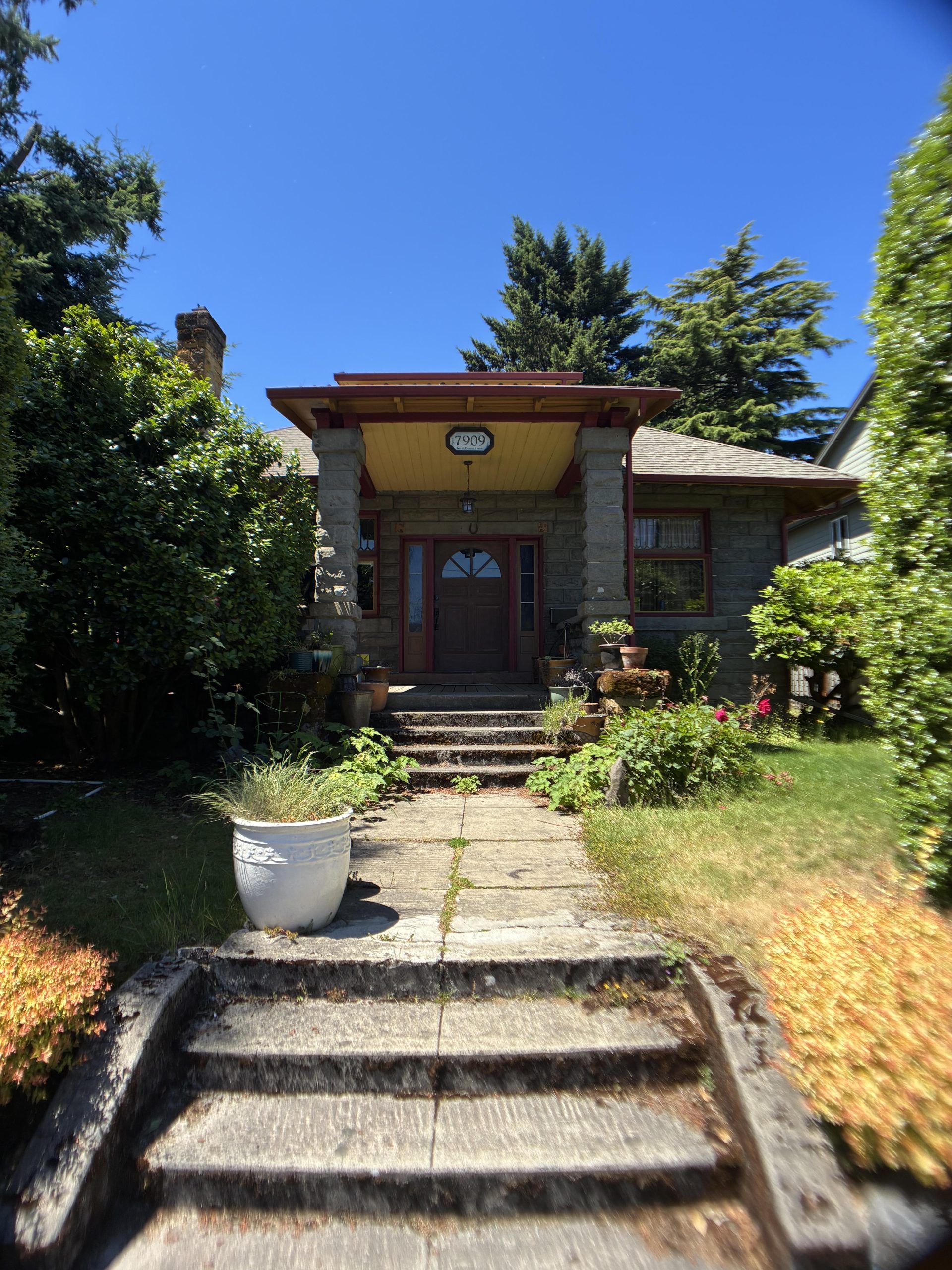
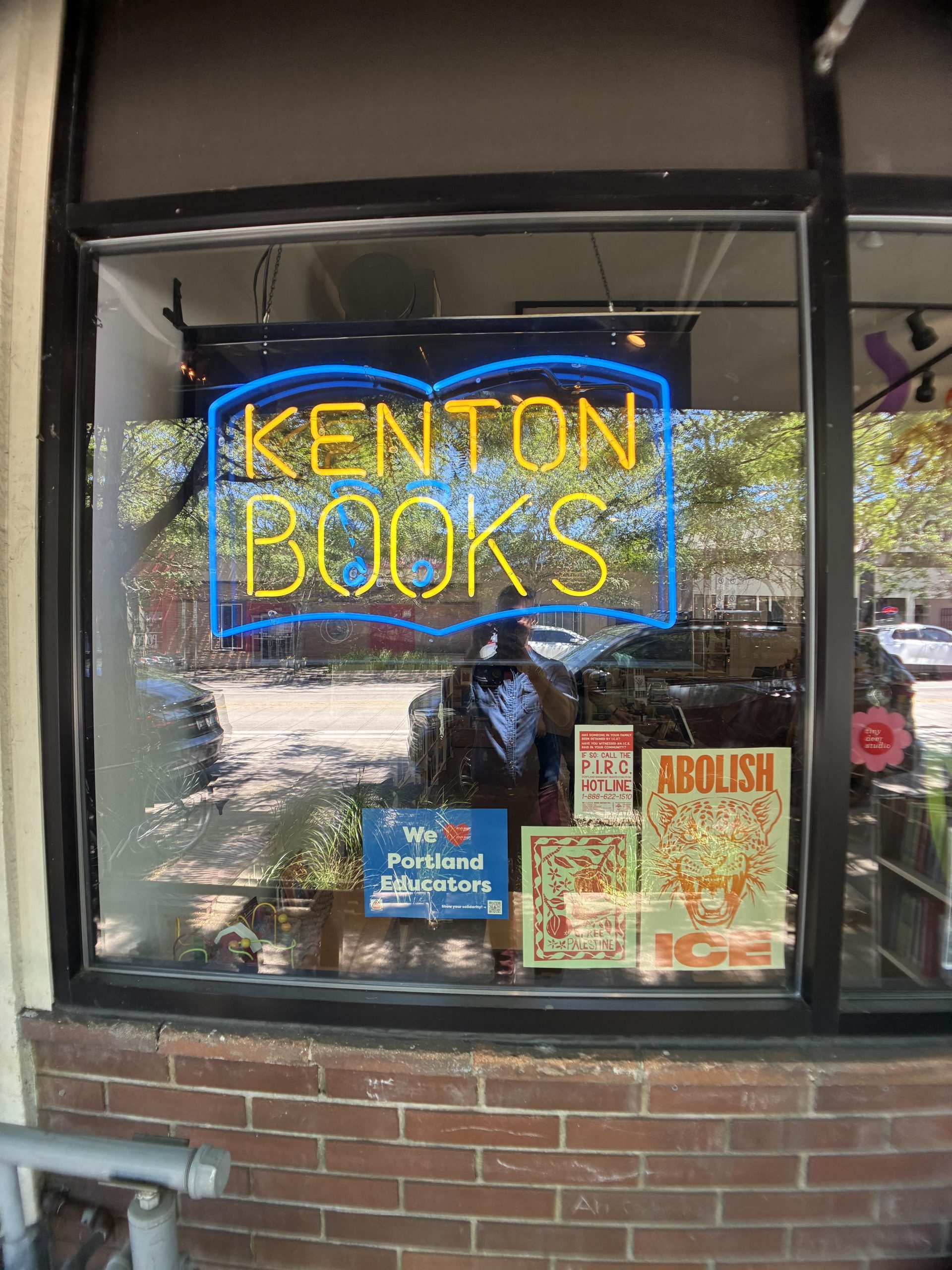
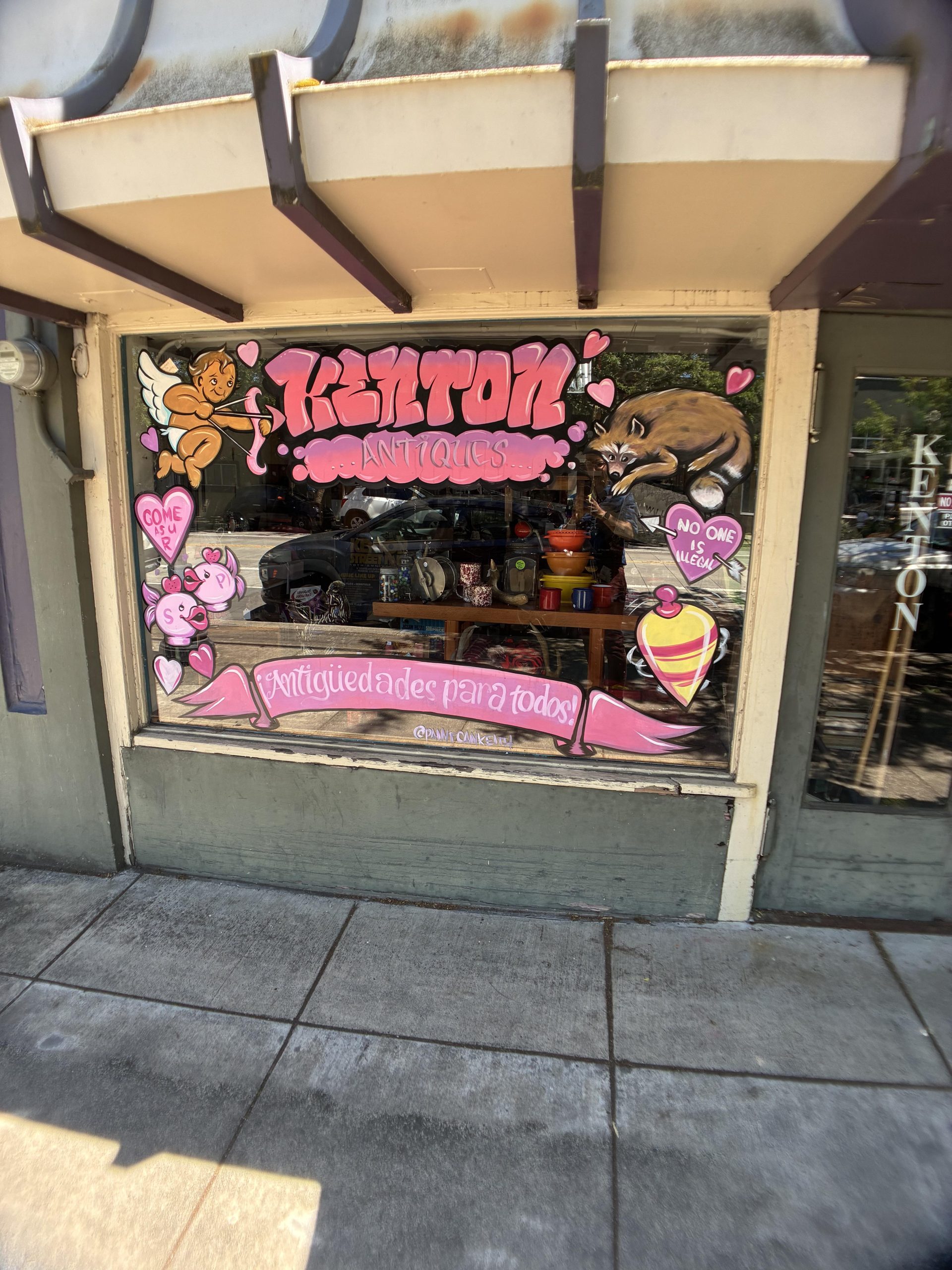
For the latest installment of my Hidden Portland series, I spent some time exploring one of North Portland's most distinctive neighborhoods: Kenton.
What makes Kenton special isn't just its history—it's the way the neighborhood feels. If someone dropped you into the middle of Kenton without telling you where you were, you might think you'd landed in a small Oregon town rather than a neighborhood within Portland city limits. The historic business district, locally owned shops, and strong sense of identity give Kenton a character that's increasingly hard to find.
Kenton actually began as its own city before being annexed by Portland in 1911. More than a century later, it still maintains much of the independent spirit that made it unique in the first place.
One of the neighborhood's most recognizable gathering spots is the historic Kenton Club. Beyond being a longtime local hangout, it has an interesting connection to Hollywood. In 1972, scenes from the cult classic film Kansas City Bomber, starring Raquel Welch, were filmed there. It's one of those unexpected pieces of Portland history hiding in plain sight.
Another reminder of Kenton's past is the neighborhood's historic fire station. Built in the early 1900s, the station served the community during Kenton's growth as a company town. While it's no longer an active fire station, the building remains an important landmark and a visible connection to the neighborhood's working-class roots.
I also stopped by Posies Cafe, one of the businesses that helps make Kenton feel so welcoming. Along with great coffee and food, Posies has a dedicated play area for kids tucked into the back of the café—a feature that makes it especially popular with local families.
One of my favorite parts of Kenton is the farmers market. Held every Wednesday from June through September, the Kenton Farmers Market brings together local farmers, food vendors, live music, and neighbors right in the heart of the business district. Established in 2012, it has become a popular community gathering place and adds even more energy to the neighborhood during the summer months. (Portland Farmers Market)
For those considering a move to the area, Kenton continues to offer some of the more attainable home prices in Portland's close-in north neighborhoods. Recent data shows median home values and sale prices generally falling in the mid-$400,000 range, with many classic bungalows and cottages selling between $450,000 and $550,000 depending on size, condition, and location. Homes are still moving at a healthy pace, reflecting continued demand for the neighborhood's walkability, character, and convenient access to downtown Portland and the MAX line. (Zillow)
What stood out most during my visit was how connected everything feels. The historic buildings, local businesses, neighborhood gathering places, and walkable main street all contribute to a sense that Kenton has managed to preserve its identity while still being part of a growing city.
If you're looking for a Portland neighborhood with history, personality, and a genuine small-town feel, Kenton is worth exploring.
And if you're considering buying or selling a home in Kenton or anywhere in North Portland, I'd be happy to help you learn more about the area and what makes each neighborhood unique.
The Sellwood Neighborhood
Hidden Portland: Exploring Sellwood
Sellwood is a Portland neighborhood that blends rich history with modern charm along the Willamette River. As you wander its tree-lined streets, you’ll discover preserved historic homes, eclectic antique shops, and the vibrant Sellwood-Moreland commercial district. The area is beloved for its community spirit, with Oaks Park amusement and the scenic Springwater Corridor trail offering recreation and nostalgia alike.
While honoring its past, Sellwood also delivers modern conveniences. Residents enjoy parks like Sellwood Riverfront and top-rated schools, along with cozy cafes and local bookshops. The neighborhood offers easy access to downtown, making it ideal for families and professionals seeking a balanced lifestyle.
Real estate in Sellwood reflects its desirability, with median home prices around $650,000. From classic craftsman bungalows to contemporary homes, it’s a neighborhood that offers both character and community. If you’re looking for a place with a rich past and a vibrant present, Sellwood may be the perfect fit for your next home.
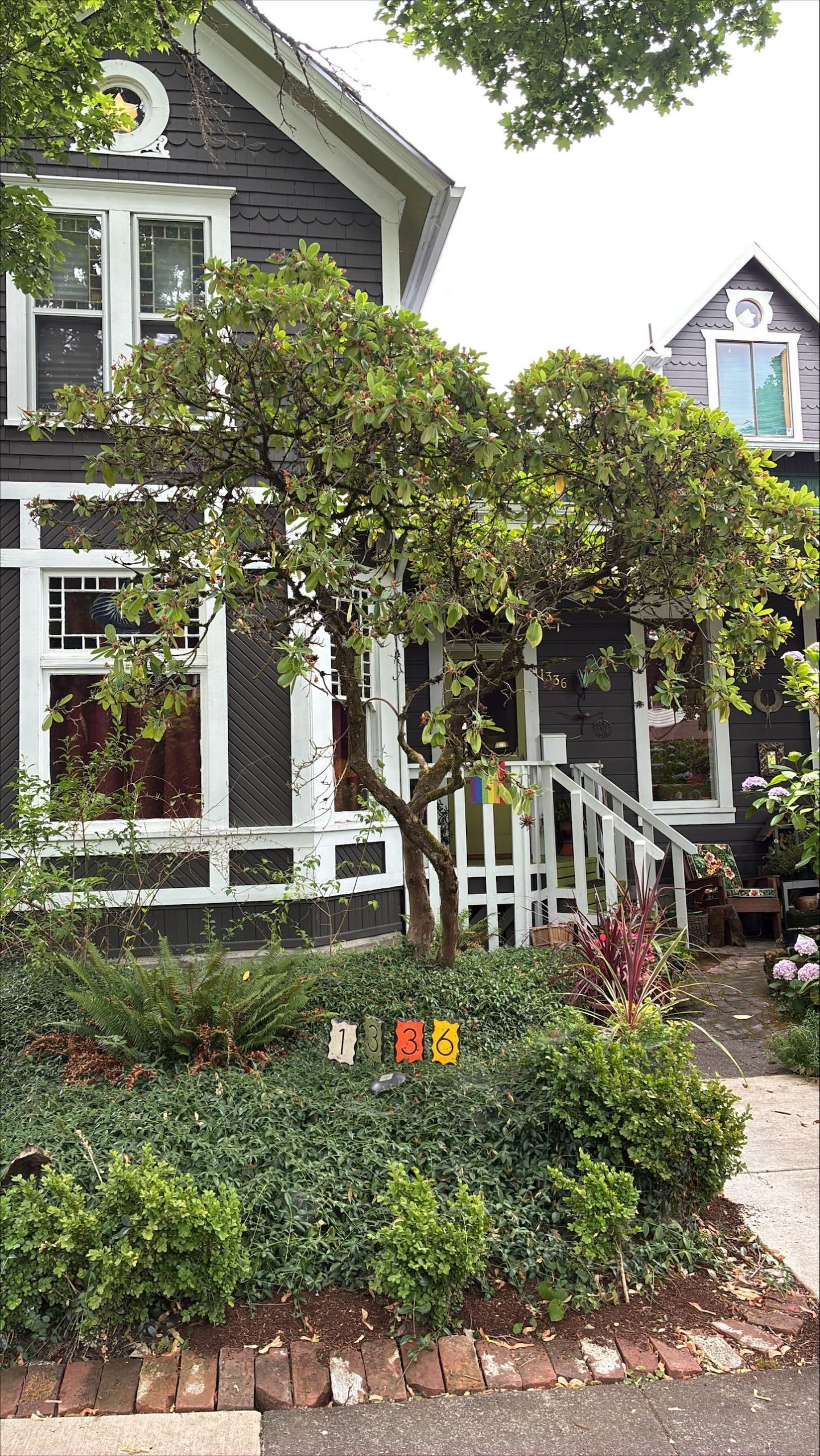
Exploring The MT. Tabor Neighborhood
Mt.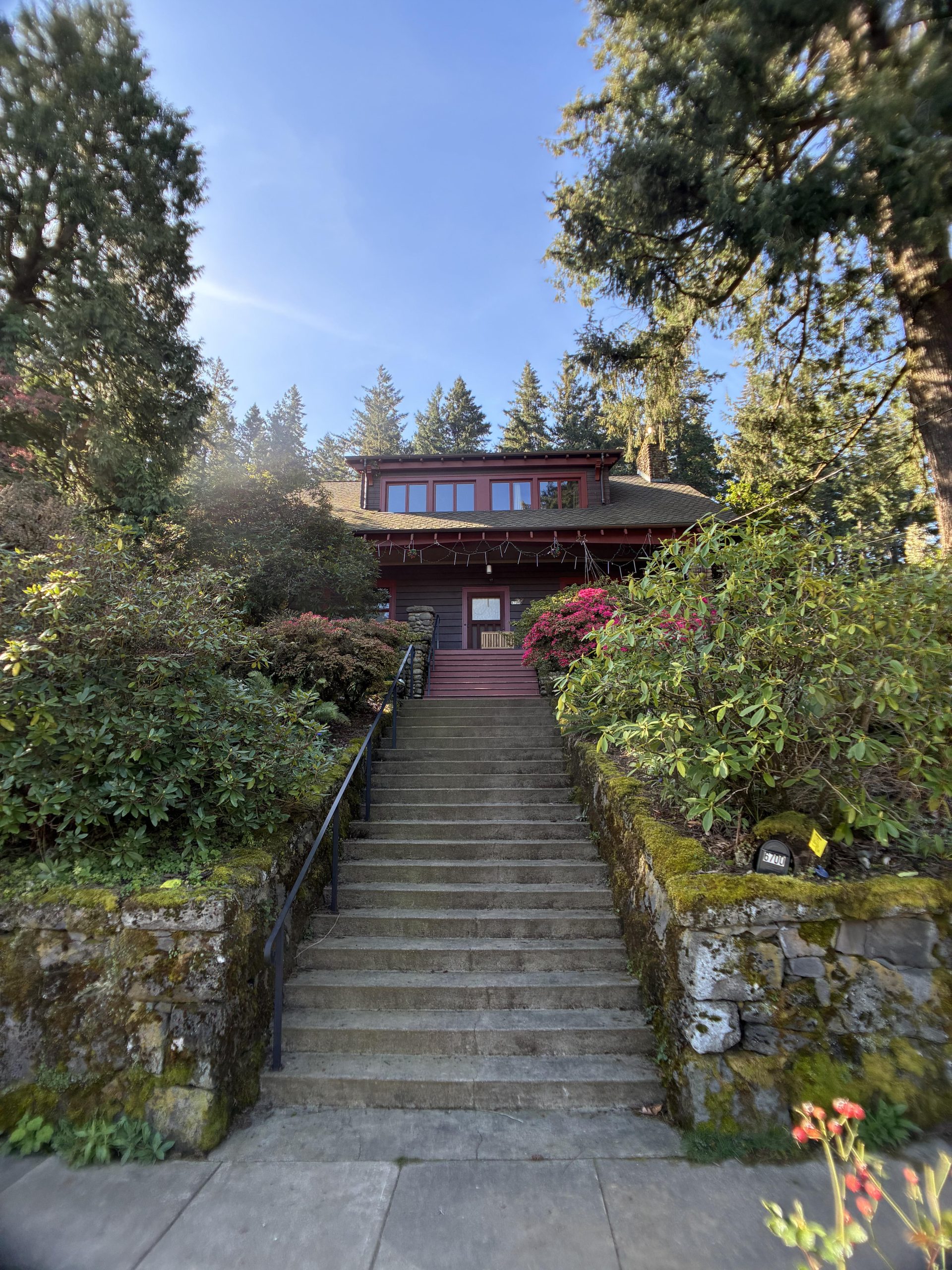 Tabor Magic
Mt. Tabor is one of those Portland neighborhoods that feels like it has a secret hiding in plain sight: there is literally a volcano in the middle of it. This Southeast Portland neighborhood is built around Mt. Tabor Park, a century-old public park known for its forested trails, open-air reservoirs, city views, and volcanic cinder cone. It is the kind of place where you can start your morning with coffee nearby, wander under tall evergreens, climb toward a viewpoint, and casually say, “I walked up a volcano today,” which is a very Portland sentence.
A good Mt. Tabor tour should begin in the park. You can loop through wooded paths, pass the historic reservoirs, stop at the playground or picnic areas, and take in views across the east side toward downtown. The park’s history goes back to the early 1900s, when Portland’s growing eastside needed more public green space, and landscape architect John C. Olmsted recommended the city acquire more land here. Today, it still feels like one of Portland’s best neighborhood escapes: peaceful, a little dramatic, and somehow both wild and very close to everything.
The neighborhood around the park has a classic eastside Portland feel, with tree-lined streets, older homes, gardens, front porches, and easy access to nearby stretches of Hawthorne, Belmont, and Division. It is a great fit for people who want residential calm without feeling cut off from restaurants, shop

s, coffee, parks, and bike routes. Mt. Tabor has that rare combination buyers often ask for: character, green space, walkability nearby, and a strong sense of place. In other words, it is not just a neighborhood with a park — it is a neighborhood shaped by one.
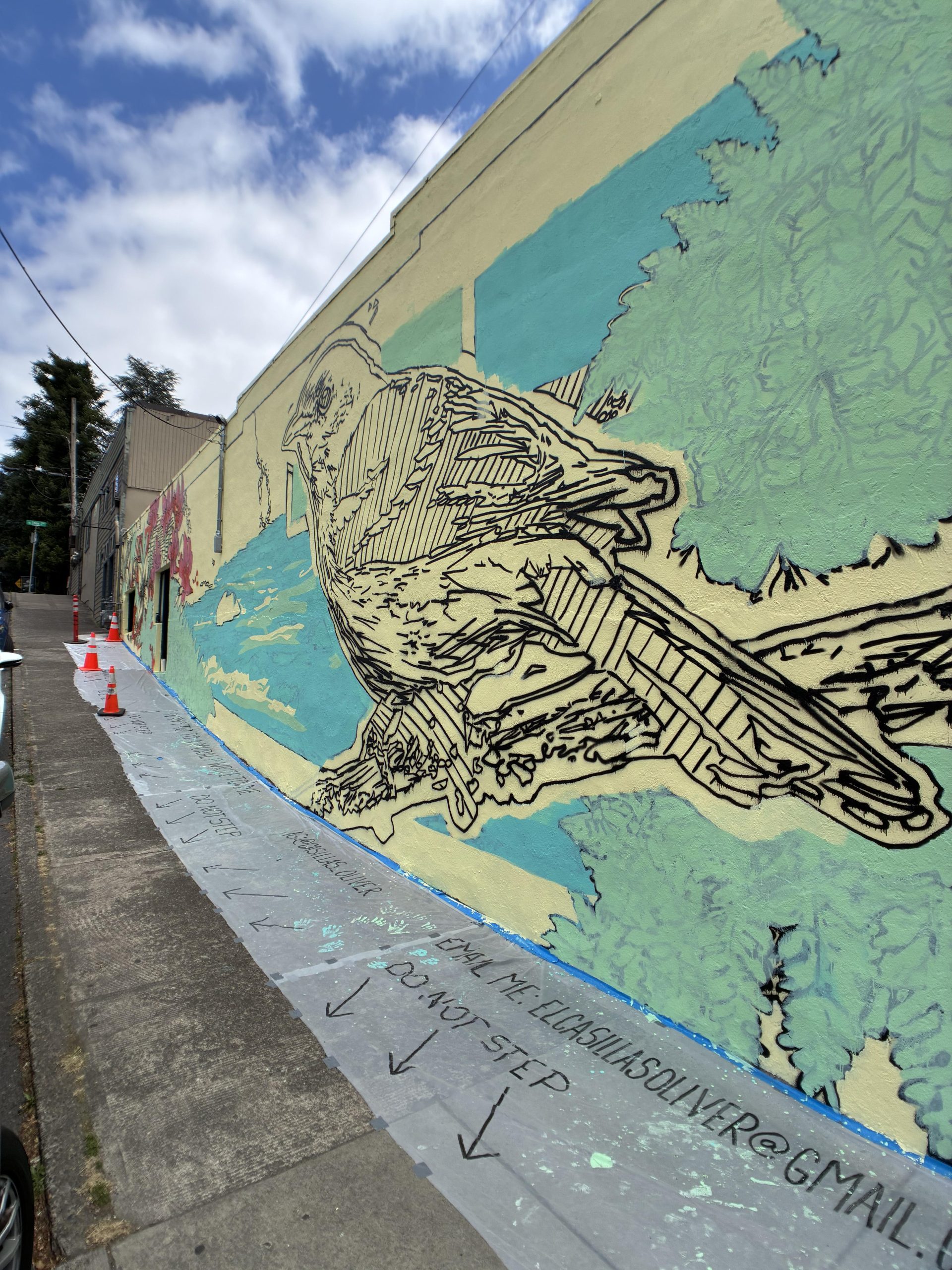
 Hidden Portland: Exploring Multnomah Village
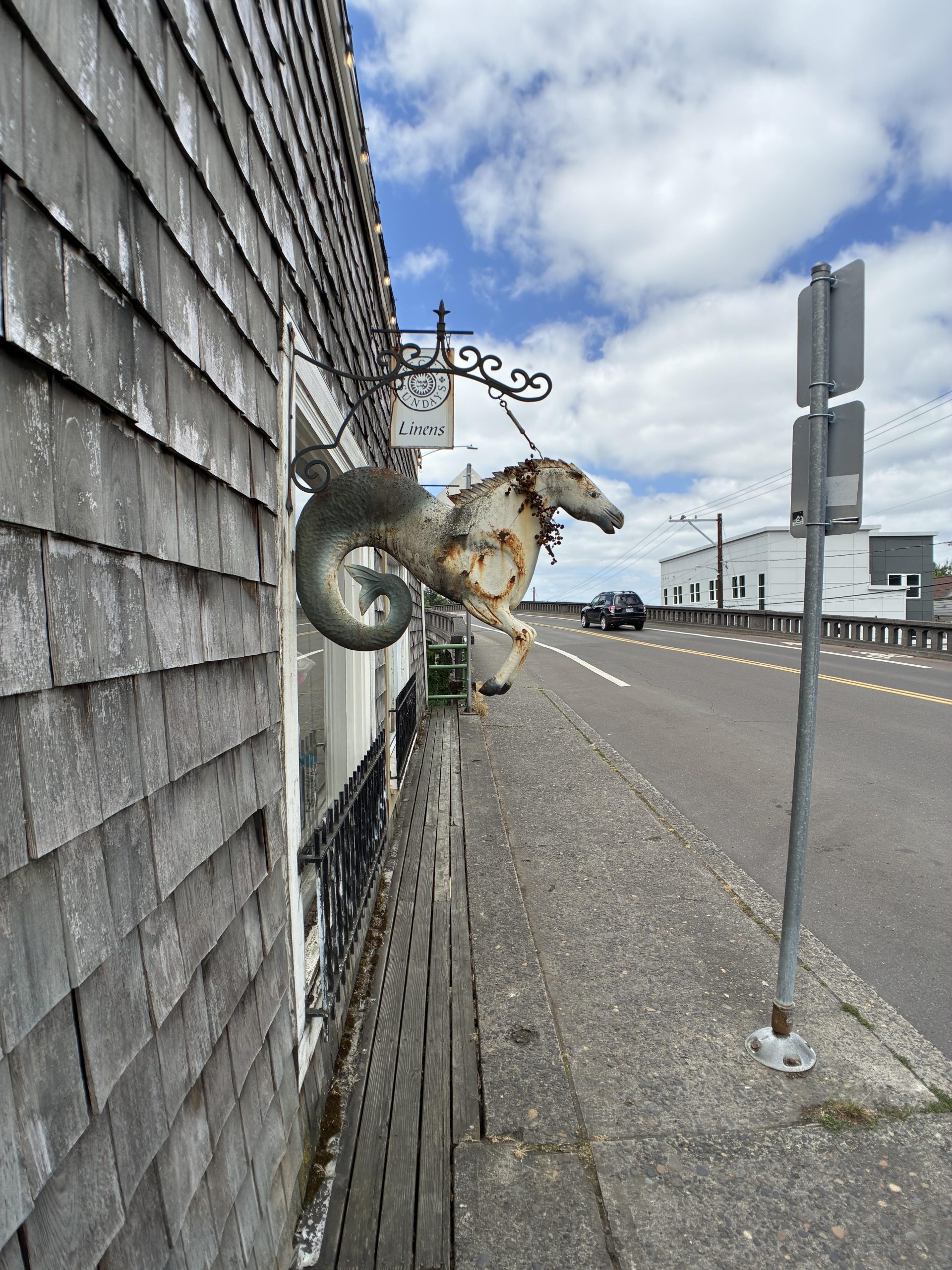
Multnomah Village is one of Portland’s most beloved neighborhoods, offering a quaint village vibe that feels like a step back in time. Strolling along Capitol Highway, you’ll find local boutiques, art galleries, cozy cafes, and community hubs. The neighborhood thrives on a close-knit feel, with regular events like the Multnomah Days festival, fostering a strong sense of community.
In addition to its charm, Multnomah Village is known for its accessibility and walkability. Residents can easily enjoy parks, local schools, and the historic Multnomah Arts Center. The neighborhood provides a balance of peaceful residential streets and a vibrant commercial core, making it a desirable spot for families and professionals alike.
On the real estate front, homes in Multnomah Village are in demand. With median home prices around $700,000, the market reflects the neighborhood’s desirability. If you’re seeking a home with character and a strong sense of belonging, Multnomah Village could be the perfect fit. Explore current listings and see why so many Portlanders are proud to call this neighborhood home.
The Mississippi Neighborhood Tour

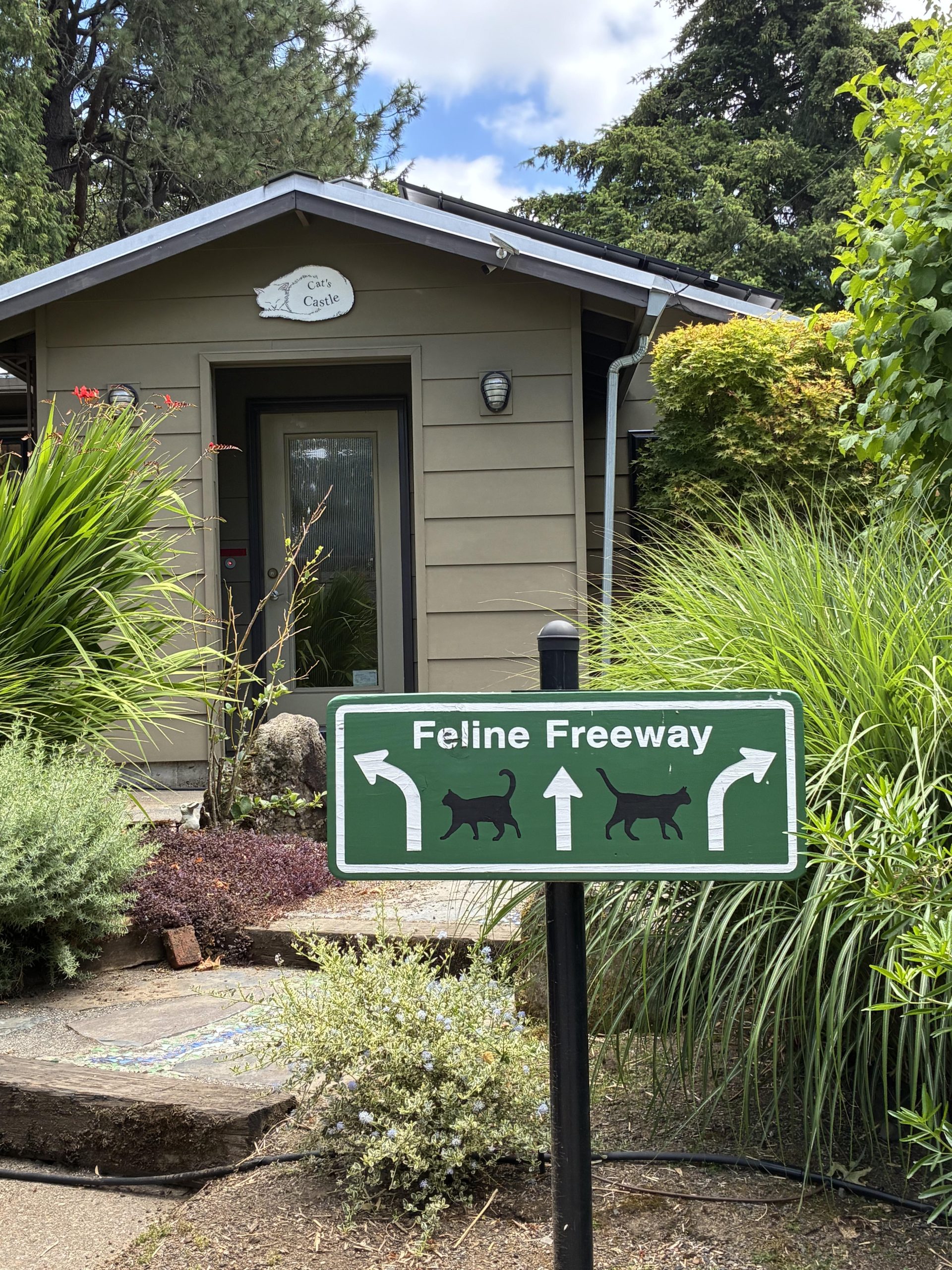
Mississippi is one of those Portland neighborhoods where you can feel the energy almost immediately. Technically, this is North Portland, centered around North Mississippi Avenue, and it has become one of the city’s best-known stretches for local shops, restaurants, bars, food carts, and live music. It is walkable, colorful, and busy in the best way — the kind of place where you can grab tacos, wander into a quirky shop, hear music spilling out of a venue, and remember why people fall in love with Portland neighborhoods in the first place.
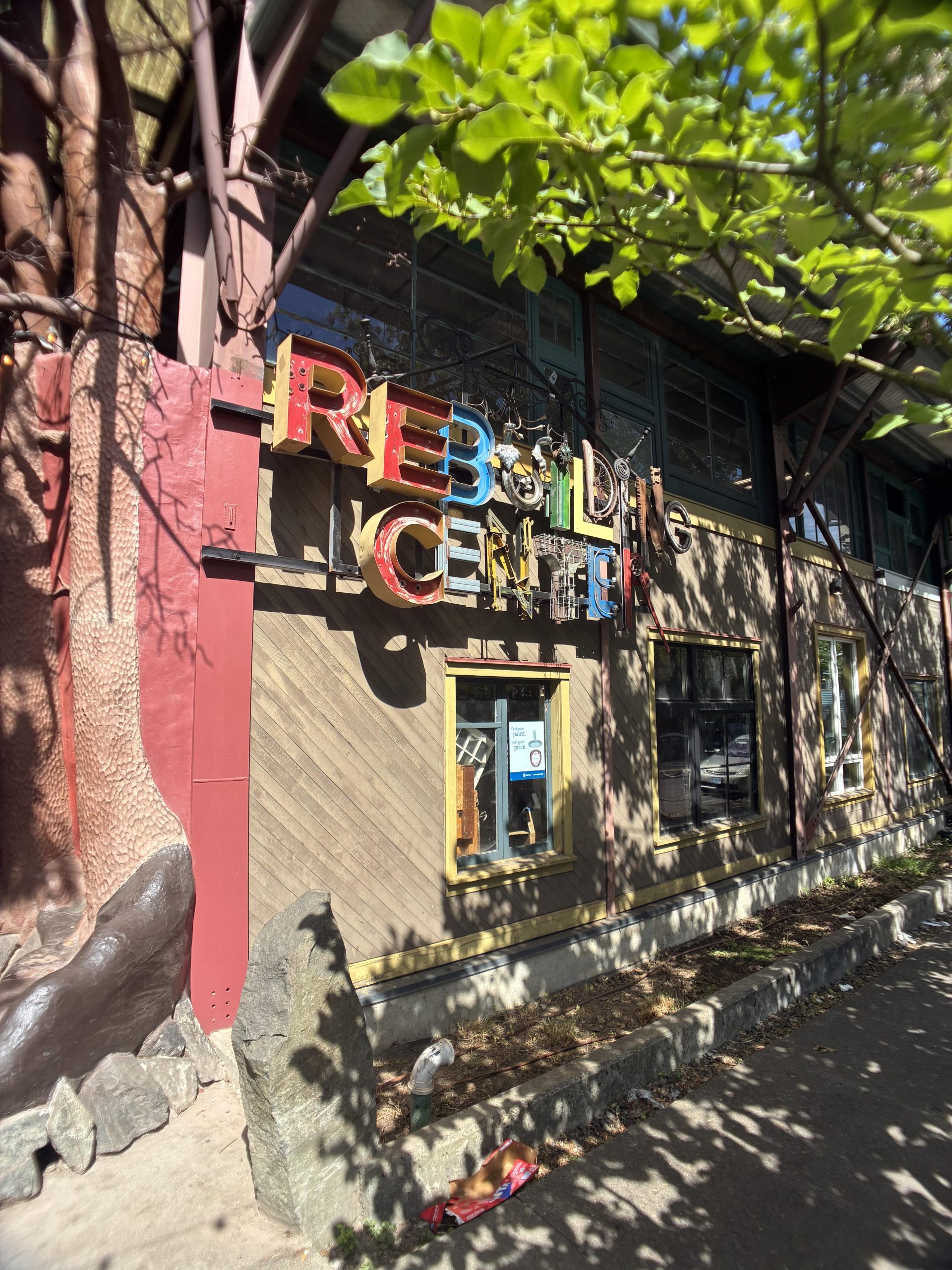
What makes Mississippi especially interesting is that it is not just “cute Portland.” It has a deeper and more complicated story tied to the history of Albina, North Portland, displacement, reinvestment, and neighborhood change. You can see that mix everywhere: older homes tucked behind the commercial strip, longtime businesses, newer restaurants, public art, and places like the ReBuilding Center, which is a very Portland kind of landmark — a huge reuse store full of salvaged building materials, old doors, fixtures, and inspiration for anyone who loves old houses.
For a neighborhood tour, I’d make sure to stop by Mississippi Studios, which was originally a Baptist church before becoming one of Portland’s beloved live music venues, and then point out how much life is packed into just a few blocks. Every summer, Mississippi Avenue also hosts what the business association calls Portland’s largest street fair, with live music, local vendors, food, and thousands of people filling the street. From a real estate perspective, that is the appeal of Mississippi: it is not just about the house — it is about being close to the kind of neighborhood energy, history, walkability, and local character that people move to Portland hoping to find.
Craftsman Homes: A Brief History and How to Identify Them
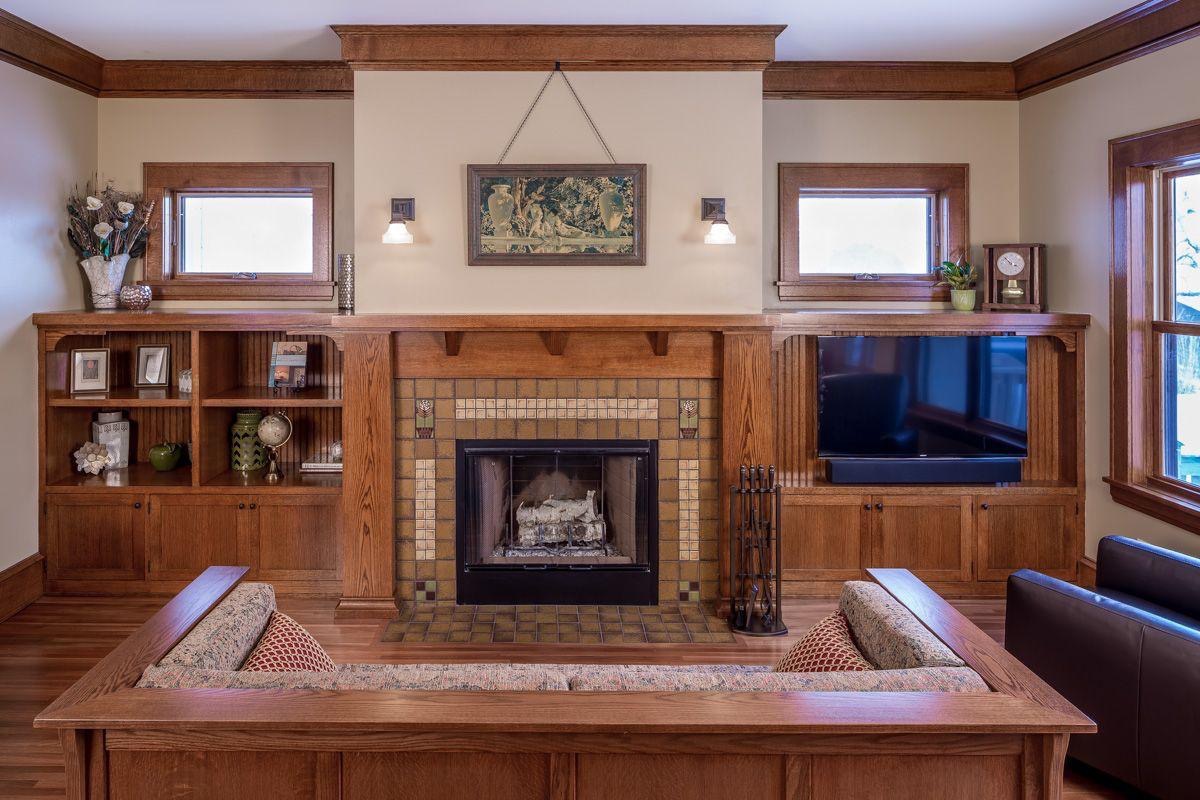
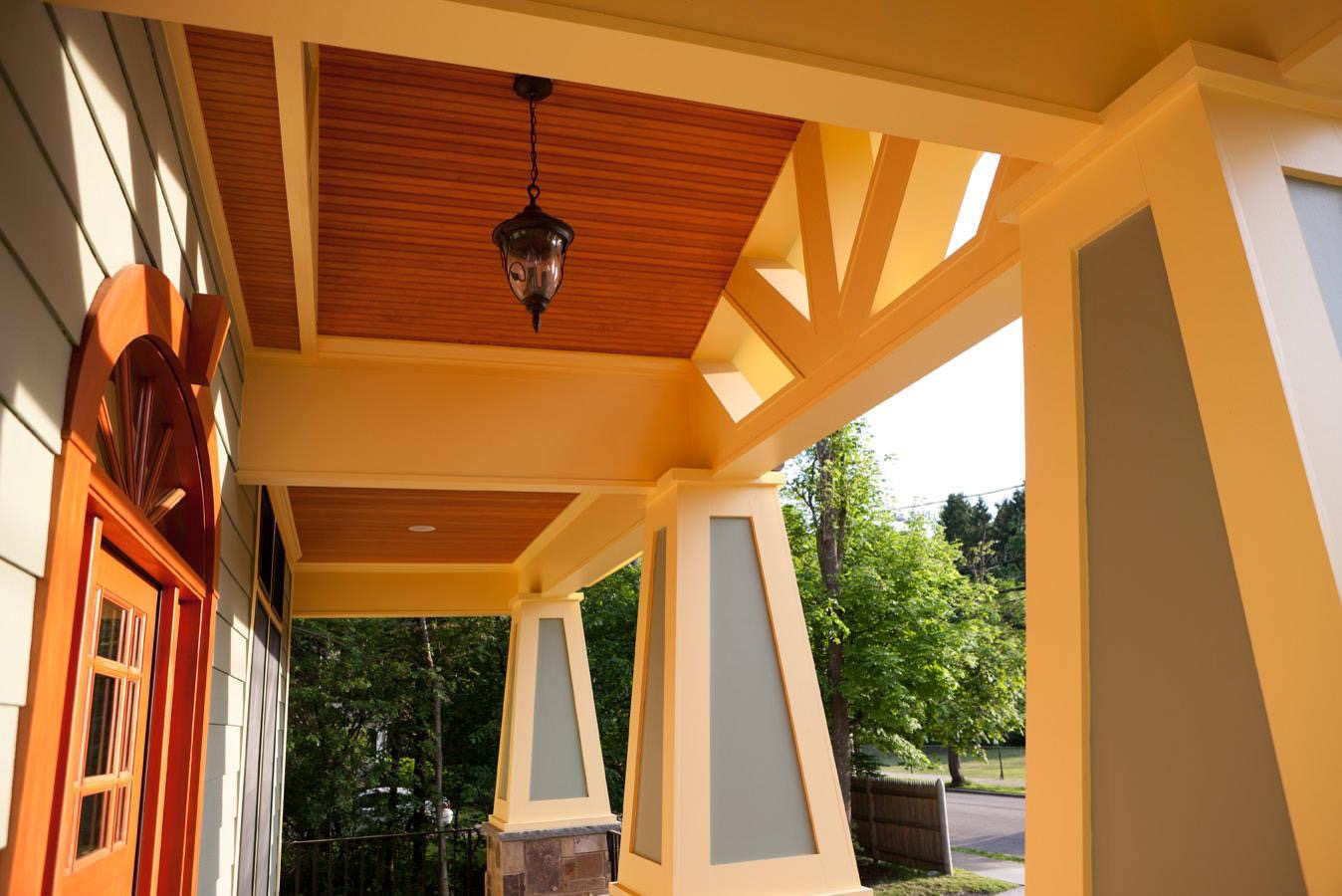
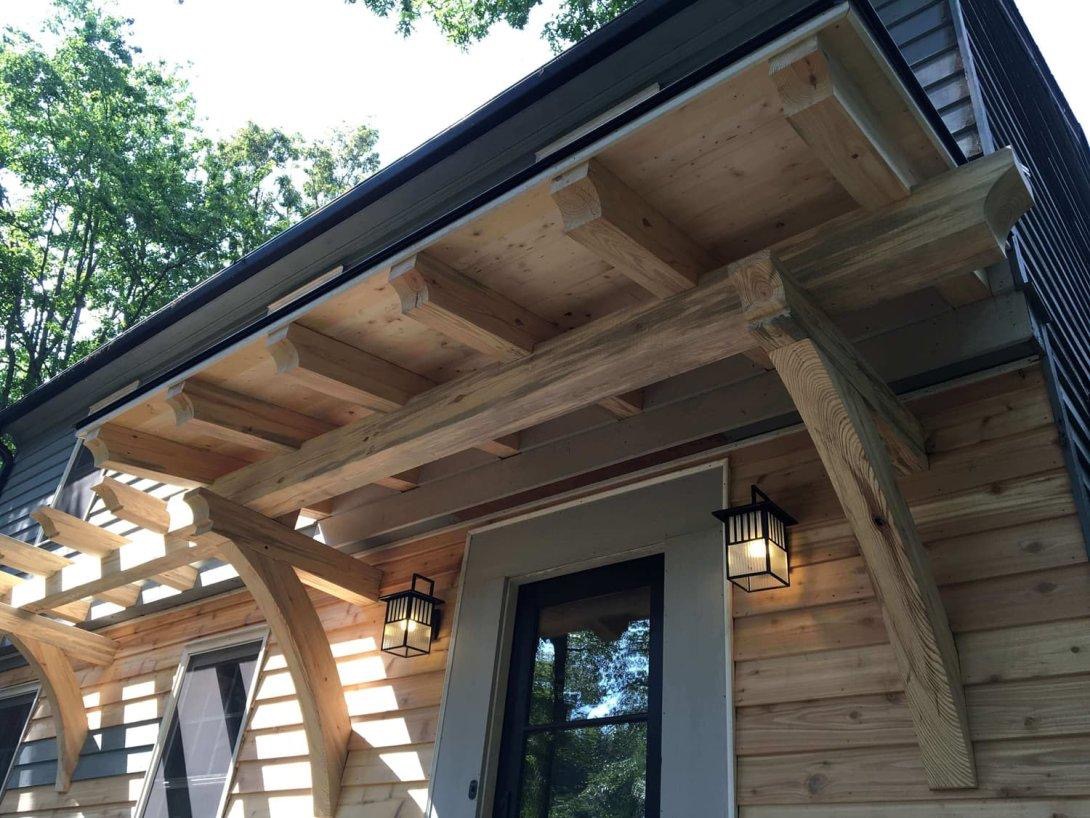
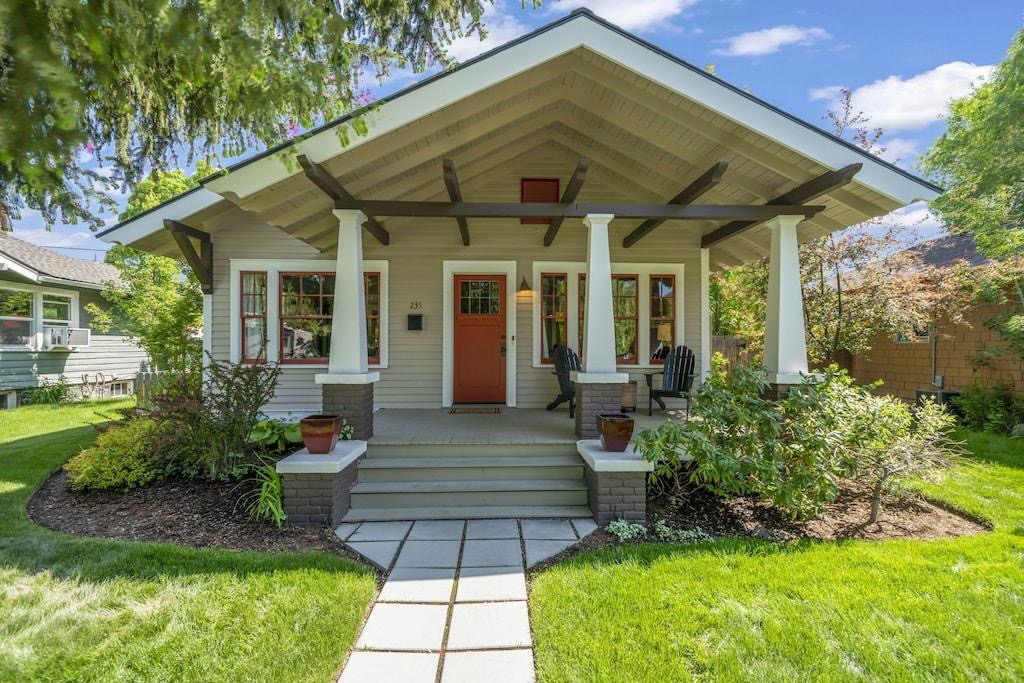
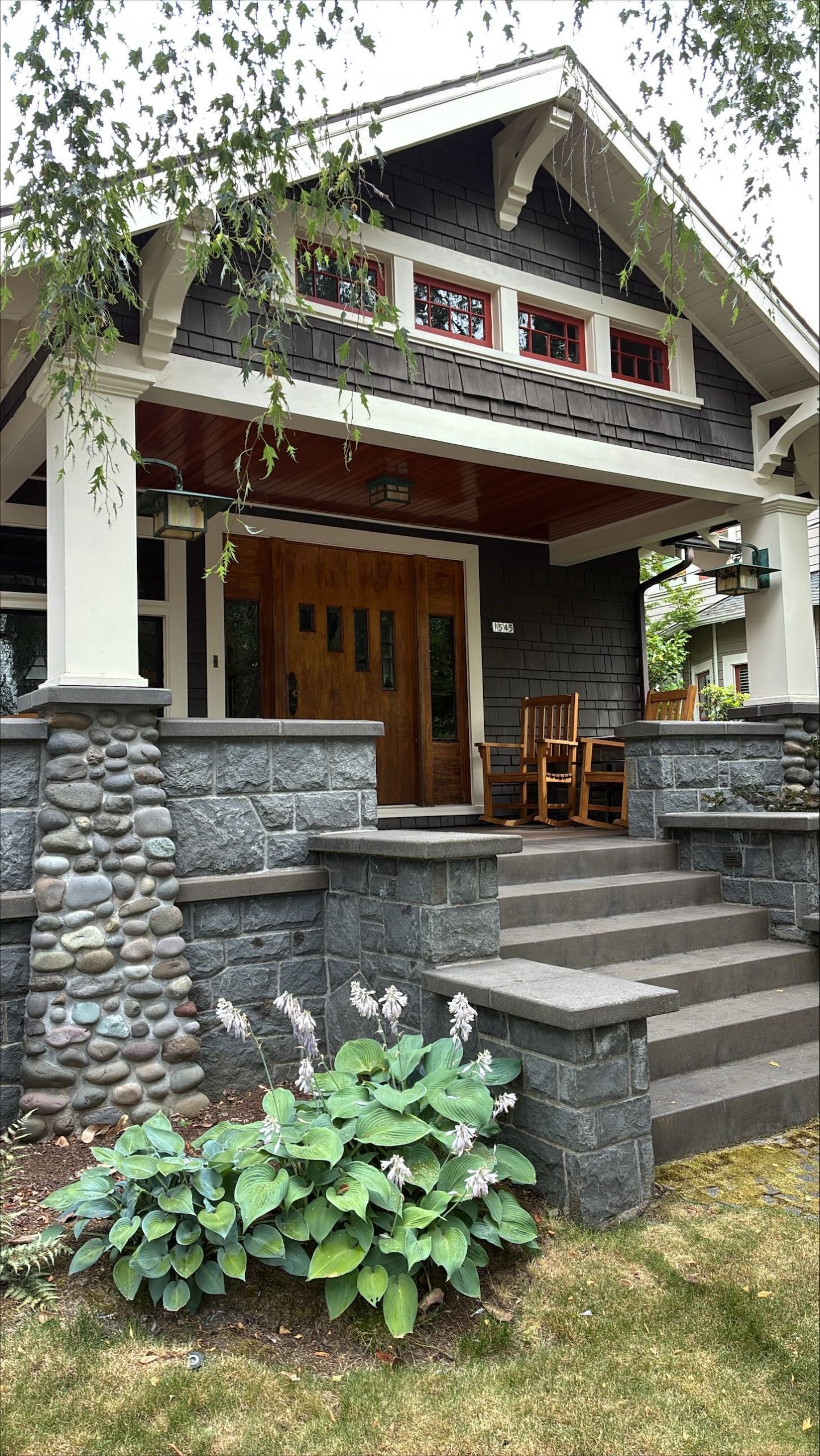
Craftsman houses emerged from the Arts and Crafts movement of the late nineteenth and early twentieth centuries. As factories made it possible to mass-produce furniture, trim, and other building materials, a growing number of artists, architects, and craftspeople worried that traditional workmanship and thoughtful design were being lost. They believed that a home’s beauty should come from quality construction, natural materials, and useful details rather than elaborate decoration. This philosophy stood in contrast to many Victorian-era homes, which often featured ornate trim, towers, and decorative flourishes. Furniture maker Gustav Stickley helped popularize these ideas in the United States through his influential magazine The Craftsman, first published in 1901. The magazine featured furniture, essays, interiors, gardens, and house plans, and the word “Craftsman” eventually became closely associated with the architectural style.
Craftsman homes became especially popular in the United States between approximately 1905 and the 1920s, when rapidly growing cities needed attractive and practical housing for middle-class families. Bungalows were among the most common expressions of the style, although larger two-story Craftsman homes were also built. Portland expanded significantly during this period, which is why so many original Craftsman houses can still be found throughout the city today. Neighborhoods across North, Northeast, Southeast, and inner Portland contain excellent examples, ranging from modest bungalows to substantial homes with beautifully preserved woodwork. Some houses were individually designed, while others were constructed from plans published in magazines or sold through companies such as Sears. Although Craftsman homes varied by region and budget, they shared a commitment to comfort, craftsmanship, and a strong connection between the home and its surroundings.
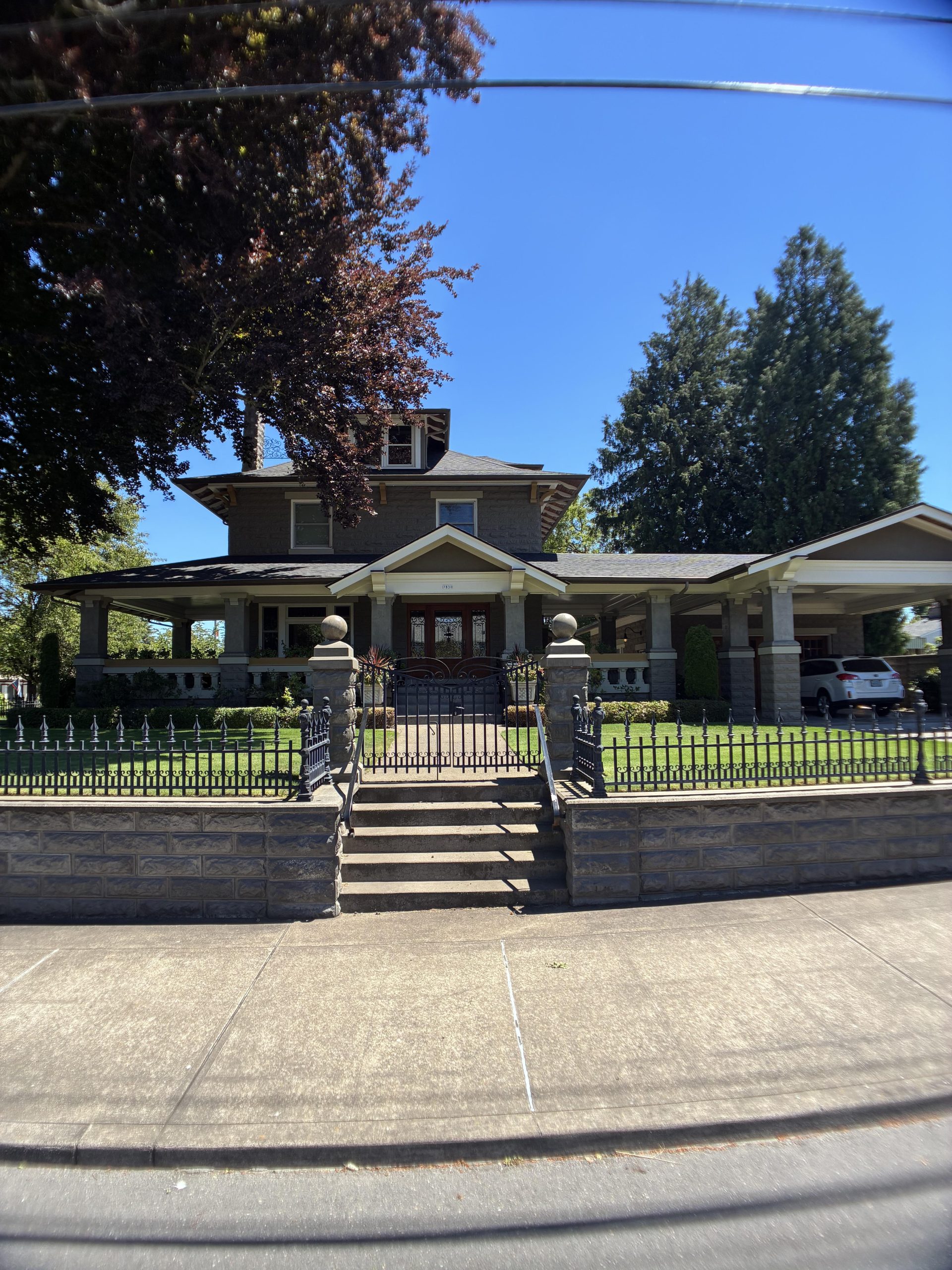
The exterior usually provides the clearest clues that a house is a Craftsman. Look for a low-pitched roof, broad eaves, deep roof overhangs, and prominent front-facing gables. Exposed rafter tails, decorative knee braces, and visible structural elements are also common because Craftsman designers often chose to celebrate the way a house was built rather than hide it. The front porch is another major identifying feature. Craftsman porches are typically wide and welcoming, supported by thick square or tapered columns that may rest on stone, brick, or concrete bases. Natural materials and earthy colors are frequently used to help the house feel connected to the landscape. Windows may appear in groups and often include divided panes in the upper portion. Not every Craftsman house has every one of these features, but the combination of a substantial porch, strong columns, deep eaves, and visible craftsmanship is usually a reliable sign.
Inside, Craftsman homes tend to feel warm, practical, and carefully considered. Common details include extensive wood trim, built-in bookcases, dining-room buffets, window seats, fireplace cabinetry, and sturdy interior doors. These built-ins were not simply decorative; they reflected the belief that furniture, storage, and architecture should work together as one unified design. Fireplaces often serve as the visual center of the living room, while open transitions between the living and dining areas make the main floor feel connected without being completely open. Original Craftsman bathrooms and kitchens were generally smaller and more functional than those in modern homes, so many surviving houses have been updated over time. Modern Craftsman homes often borrow the exterior proportions, porches, natural materials, and detailed woodwork of the originals while adding larger kitchens, primary suites, additional bathrooms, and more open living spaces. Whether the house was built in 1915 or designed more recently, the best way to identify a true Craftsman influence is to look for warmth, honest materials, thoughtful function, and details that make the construction itself part of the beauty.
The Nob Hill Neighborhood


Nob Hill: Historic Portland in the Heart of Northwest
Nob Hill is one of those Portland neighborhoods where the city’s history is visible almost everywhere you look. Centered around Northwest 21st and 23rd avenues and overlapping much of the historic Alphabet District, the area began developing in the second half of the 1800s. Sea captain and early Portland businessman John Couch originally platted many of the east-west streets simply with letters; in 1892, those letters were replaced with names honoring prominent Portlanders, creating the alphabetical progression you can still spot today. By the late 1800s, wealthy families were building large homes west of 19th Avenue, and Portlanders began calling the area “Nob Hill,” borrowing the nickname from San Francisco’s famously affluent neighborhood.
The architecture is a huge part of what makes Nob Hill feel different from almost anywhere else in Portland. Walk the residential streets and you’ll find homes representing styles ranging from Queen Anne and Italianate to Colonial Revival and Craftsman, mixed with some of Portland’s most distinctive early-20th-century apartment buildings. Many of the historic houses closer to Northwest 23rd have been adapted into boutiques, restaurants and other small businesses, which gives the commercial district its unusual character—you can be shopping or grabbing coffee while walking through what still feels like a historic residential neighborhood. Northwest 23rd gets most of the attention, but wandering 21st Avenue and the quieter streets between them is one of the best ways to really experience the area.
Today, Nob Hill combines that historic character with one of Portland’s most walkable urban lifestyles. Restaurants, cafés, independent shops and neighborhood businesses are packed into a relatively small area, while downtown and the Pearl District are nearby and both Washington Park and Forest Park are easily accessible to the west. For someone looking to live in Portland, that combination is what makes the neighborhood so interesting: historic houses and apartment buildings, tree-lined residential streets and a lively commercial district all exist within blocks of one another. Nob Hill has changed considerably since Portland’s earliest days, but it has retained something that can be difficult to recreate in a newer neighborhood—a sense that the history of the city is still part of everyday life.
The St. Johns neighborhood
St. Johns: A Neighborhood That Feels Like Its Own Little Town
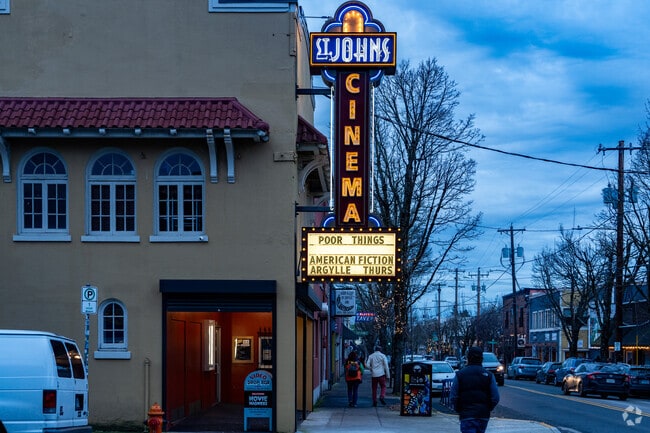
St. Johns has always felt a little different from the rest of Portland—and having lived there for more than a decade, it’s a neighborhood I know and love on a personal level. Tucked into the northern tip of the city near the Willamette and Columbia rivers, St. Johns has the feeling of a small town within Portland, with its own historic downtown centered around North Lomb
ard and Philadelphia. The neighborhood traces its roots to James John, who settled in the area in the 1840s and eventually laid out the beginnings of the town that would bear his name. St. Johns later became its own incorporated city before being annexed by Portland in 1915, and even today there is a strong sense of local identity and community pride that sets it apart.
Of course, the neighborhood’s most recognizable landmark is the St. Johns Bridge, whose soaring green Gothic-inspired towers frame some of the most beautiful views in Portland. Completed in 1931, it remains Portland’s only steel suspension bridge, with 400-foot towers rising above the Willamette River. Directly beneath it sits Cathedral Park, nearly 22 acres of riverfront green space where the massive concrete arches beneath t
he bridge create the cathedral-like appearance that gave the park its name. But St. Johns is about much more than its bridge. Walk through downtown and you’ll find locally owned restaurants, coffee shops, bars, stores and the historic St. Johns Cinema, while the surrounding residential streets offer an eclectic collection of older Portland homes, bungalows and newer additions.
What I appreciate most about St. Johns, though, is the combination of community and access to the outdoors. Pier Park, Cathedral Park, Kelley Point Park and the nearby riverfront give the neighborhood an amount of green space that can be surprising for somewhere still firmly within Portland. At the same time, downto

wn St. Johns remains a place where you can walk to dinner, catch a movie, grab coffee or run into someone you know. After living here for more than t

en years, I came to understand why people can become so attached to this corner of Portland. It has history, character and one of the city’s most iconic landmarks—but underneath all of that, St. Johns simply feels like a neighborhood where people put down roots.
